September 10, 2026
The contemporary energy landscape across the United States is navigating a dynamic transformation as energy demands, environmental priorities, and heating technologies continue to evolve. Among the primary residential energy choices, traditional fuel sources remain fundamental to keeping homes warm throughout harsh winter months. As households look for reliable ways to maintain indoor comfort, heating oil continues to fulfill an essential role alongside electricity, natural gas, and propane. Understanding where this classic fuel fits within the broader national energy framework helps homeowners make informed choices regarding heating system efficiency, fuel delivery planning, and seasonal preparation. A closer look at current energy dynamics reveals why traditional liquid fuels continue to hold significant value for modern home comfort.
Examining the Current Composition of Residential Heating Sources
Residential heating across the nation relies on a few primary fuel choices that keep homes comfortable through cold weather. According to the U.S. Energy Information Administration, almost all U.S. homes use one of these four fuels as their main heating source: natural gas, electricity, propane, or heating oil. Each option offers distinct operational advantages depending on local climate conditions, regional utility infrastructure, and home design. While electric heat pumps and natural gas pipelines expanded significantly in modern suburban developments, liquid heating fuels maintain an irreplaceable footprint in areas with older housing stock or limited utility grid connections.
Understanding Regional Dependence on Fuel Infrastructure
Dependence on specific heating fuels varies dramatically across different geographical regions due to climate severity, historical construction trends, and available delivery networks. Northeastern states in particular exhibit heavy reliance on heating oil due to established distribution pipelines, local storage terminals, and robust neighborhood delivery routes. In rural or coastal areas where expanding municipal gas mains is economically unfeasible, liquid fuel delivery provides a dependable off-grid option. Professional fuel suppliers maintain extensive storage infrastructure to handle sudden cold snaps, ensuring that homes remain warm regardless of regional electrical grid strain or natural gas supply bottlenecks.
Evaluating Thermal Output and Household Heating Efficiency
When comparing energy sources, thermal efficiency and heat output per unit of fuel play a massive role in overall system performance. Liquid fuels generate exceptional heat intensity, producing high BTU output that rapidly warms indoor living spaces even during freezing outdoor temperatures. Modern high-efficiency furnaces and boilers maximize fuel utilization, converting almost all delivered liquid fuel into usable household warmth. This reliable energy delivery ensures consistent comfort even during the coldest winter months. By scheduling professional heating system maintenance, homeowners ensure that their equipment operates cleanly and efficiently, minimizing fuel consumption while maintaining consistent indoor temperature controls throughout the winter.
Analyzing Economic Factors and Fuel Market Stability
Market dynamics influencing liquid heating fuels involve global crude oil production, seasonal demand surges, and local supply chain logistics. While fuel prices fluctuate based on market factors, advanced home heating systems allow homeowners to monitor their fuel consumption closely. Establishing a scheduled automatic delivery service through an experienced fuel company helps shield homeowners from sudden supply shortages during extreme winter weather events. Professional fuel providers offer flexible payment options and delivery schedules, allowing property owners to manage seasonal heating expenses effectively while keeping their storage tanks properly filled.
Reviewing Modern Advances in Low-Carbon Liquid Biofuels
The heating oil industry has taken significant steps toward environmental sustainability through the integration of renewable liquid biofuels. Blending traditional petroleum fuel with low-carbon bio-based fuels derived from recycled organic materials dramatically reduces carbon emissions without requiring expensive system overhauls. These cleaner-burning fuel blends reduce sulfur content, lower greenhouse gas output, and decrease soot accumulation inside boiler combustion chambers. By adopting cleaner fuel formulations, professional fuel suppliers help households reduce their environmental impact while continuing to use their existing heating equipment safely.
Assessing System Reliability During Harsh Winter Weather
Severe winter storms and extreme freezing conditions often place intense pressure on public utility grids, leading to rolling blackouts or gas pressure drops. On-site fuel storage tanks provide a major advantage during weather emergencies, ensuring that a home retains its own independent energy supply. Having a dedicated tank full of heating oil gives homeowners peace of mind, knowing that their primary heat source does not rely continuously on municipal utility lines. This self-contained setup allows heating systems to continue running smoothly even when central grids face heavy demand or widespread outages. Professional delivery companies work around the clock during storm events to ensure vulnerable households maintain safe fuel levels throughout prolonged cold spells. Advanced monitoring tools also help suppliers predict usage surges so deliveries can be scheduled well before severe weather arrives.
Checking Equipment Longevity and Preventive Maintenance Needs
Oil-fired heating systems are renowned for their rugged durability and long operational lifespan when properly cared for by certified technicians. Annual tune-ups, filter replacements, and nozzle cleanings ensure that combustion remains efficient and safety controls function correctly. Neglecting professional maintenance can lead to incomplete combustion, increased fuel consumption, or mechanical breakdowns during peak winter usage. Partnering with a full-service HVAC company guarantees that burner assemblies, heat exchangers, and fuel lines are inspected thoroughly, prolonging equipment life and preventing unexpected service interruptions.
Inspecting On-Site Storage Tank Health and Safety
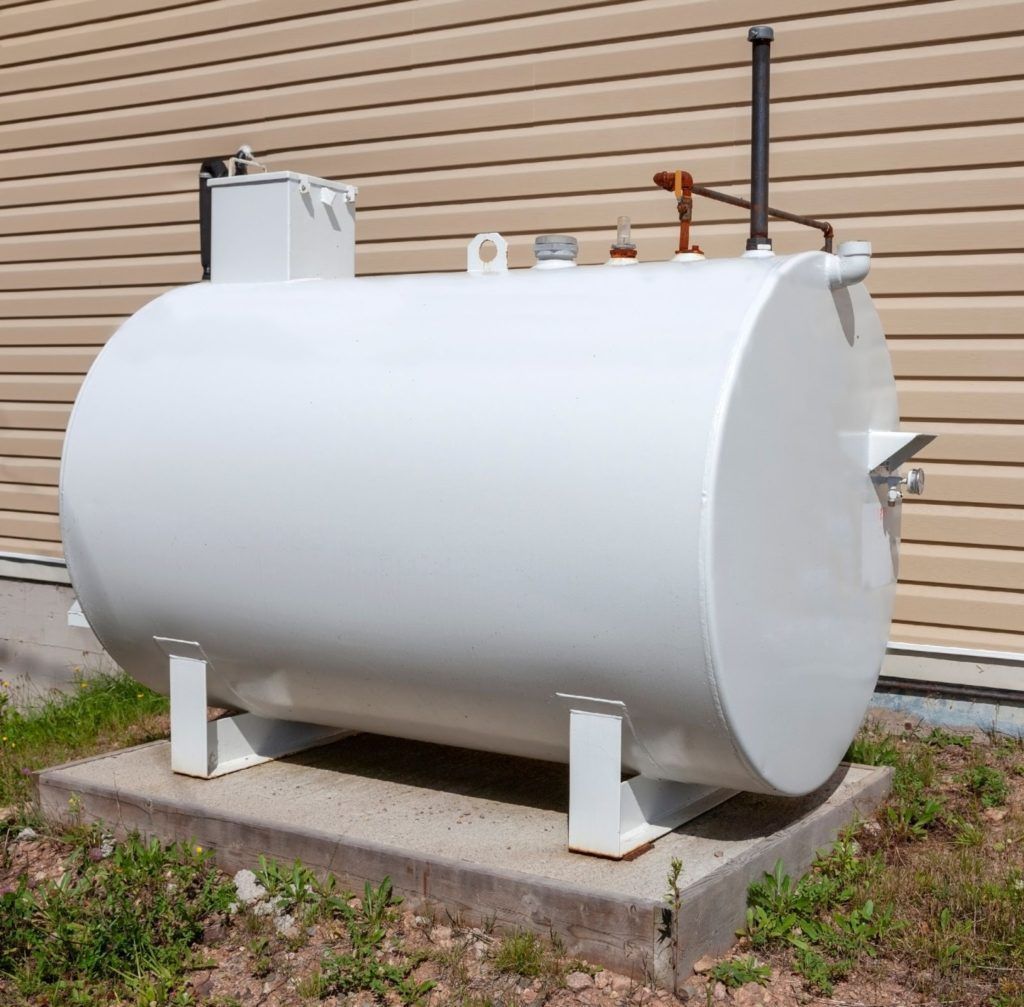
Proper maintenance of home storage tanks is essential for safe, leak-free fuel storage year after year. Professional technicians inspect fuel tanks for signs of exterior corrosion, structural weakness, sediment buildup, and proper vent pipe operation. Water condensation inside an aging tank can lead to internal rust or fuel line blockages if left unaddressed by experts. Experienced fuel service providers offer professional tank testing, ultrasonic thickness evaluations, and scheduled tank replacements to protect properties from environmental hazards and ensure safe ongoing fuel storage.
Comparing Heating Options for Older Homes
Converting an older home from a liquid fuel system to electric heat pumps or natural gas often requires extensive structural modifications, retrofitting air ducts, and heavy electrical upgrades. For many property owners, retaining a high-efficiency liquid fuel system represents a far more practical and cost-effective approach to home comfort. Upgrading an aging boiler or furnace with modern equipment allows homeowners to achieve impressive energy savings without tearing out walls or re-engineering home ventilation frameworks. Professional technicians evaluate home layout and heat loss metrics to recommend ideal equipment upgrades tailored to specific property needs.
Navigating Strategic Energy Planning for the Future
As national energy policies continue to encourage diversified energy choices, liquid heating fuels retain a clear, strategic position within the overall energy mix. Hybrid heating solutions, which pair electric heat pumps with oil-fired furnaces, are gaining popularity for balancing energy efficiency with extreme cold-weather performance. During mild autumn days, heat pumps provide gentle warmth, while the liquid fuel system kicks in automatically during severe freezing spells. Consulting with a qualified heating company helps homeowners design a resilient, energy-efficient comfort strategy that accounts for local weather patterns, fuel market conditions, and equipment longevity.
Evaluating the national energy landscape demonstrates that liquid heating fuels continue to play a vital, resilient role in keeping American homes warm and comfortable. While alternative energy options expand, the high thermal output, on-site storage independence, and evolving biofuel innovations make traditional liquid fuels a practical choice for millions of households. Maintaining equipment through regular professional servicing, monitoring storage tank integrity, and arranging reliable fuel deliveries ensures your home remains safe throughout the coldest months of the year. To keep your home warm, secure, and fully prepared for winter, contact Liberty Bell Oil to manage all your home heating needs today.